
By Marisa Zeppieri & Britt Walker
For many people living with lupus, sleep issues are not occasional inconveniences but part of the illness itself. Research shows that poor sleep is extremely common in systemic lupus erythematosus (SLE), and it can significantly affect pain levels, inflammation, mood, cognition, and overall quality of life. Sleep is not simply “rest”; it is one of the body’s most important repair systems and crucial in a body that is struggling with autoimmune disease.
Studies estimate that more than half of people with lupus experience chronic sleep disturbances, including insomnia, restless sleep, frequent waking, and non-restorative sleep. Many describe sleeping for long periods but still waking up exhausted. This is because lupus affects multiple body systems that directly influence sleep quality, including the immune system, nervous system, hormones, and pain pathways.
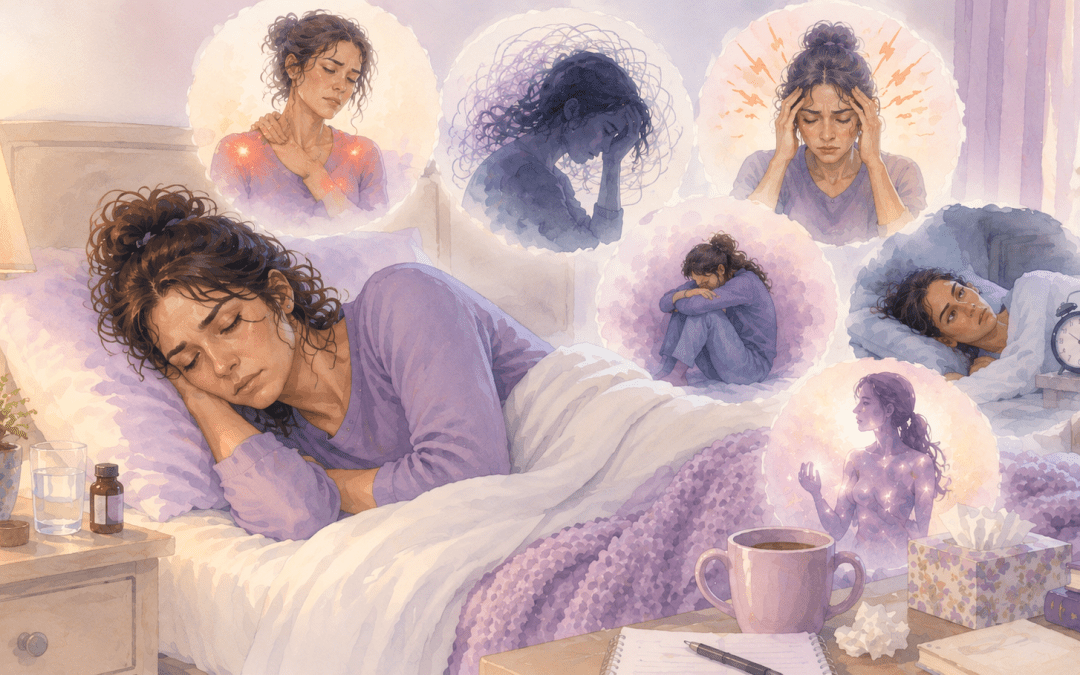
Pain is one of the biggest contributors to poor sleep in lupus. Joint inflammation, muscle pain, headaches, and nerve-related discomfort can make it difficult to fall asleep or stay asleep. Unfortunately, the relationship goes both ways. Poor sleep can increase pain sensitivity and inflammation, creating a difficult cycle where pain worsens sleep, and lack of sleep worsens pain.
Fatigue in lupus is also more complex than ordinary tiredness. Researchers believe inflammatory cytokines, which are immune signaling proteins elevated in autoimmune disease, may interfere with healthy sleep patterns and energy regulation. This means someone with lupus may feel profoundly fatigued even after a full night of rest.
Mental health also plays a major role. Anxiety, depression, grief, medical trauma, and hypervigilance around symptoms are common in chronic illness communities. Many people with lupus live in a constant state of uncertainty, wondering when the next flare may happen or whether symptoms will worsen. That emotional stress can keep the nervous system activated, making deep restorative sleep harder to achieve.
Hormonal changes may contribute to poor sleep as well. Lupus disproportionately affects women, and fluctuating estrogen levels, adrenal dysfunction, thyroid abnormalities, and menopause-related symptoms can all impact sleep quality. Some medications used to manage lupus, including corticosteroids like prednisone, may also interfere with sleep or increase feelings of restlessness and anxiety.
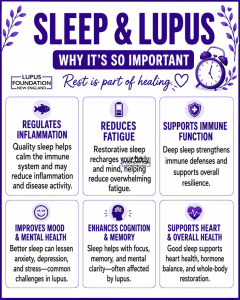
Protecting sleep with lupus often requires a whole-body approach rather than a single solution. Consistent sleep schedules, reducing evening stimulation, limiting caffeine late in the day, gentle movement, nervous system regulation practices, and managing pain proactively may all help improve sleep quality. Some people also benefit from cognitive behavioral therapy for insomnia (CBT-I), mindfulness techniques, meditation, or trauma-informed mental health support.
It is also important to talk with a healthcare provider about symptoms such as loud snoring, waking gasping for air, severe insomnia, restless legs, or excessive daytime fatigue, as conditions like sleep apnea are more common in people with autoimmune diseases and may go undiagnosed.
Perhaps most importantly, people with lupus should not feel guilty for needing rest. In a culture that often glorifies productivity, rest can feel “lazy” or undeserved. But for many living with chronic illness, sleep is part of medical care. Rest is not weakness. It is one way the body attempts to heal, regulate inflammation, and survive prolonged stress on the immune system.
When sleep improves, many people notice improvements in pain tolerance, mental clarity, emotional regulation, energy levels, and overall quality of life. It will not cure lupus, but protecting sleep can be one meaningful way to support the body through the challenges of chronic illness.
Disclaimer:
This article is for educational purposes only and is not medical advice. Always consult your physician or qualified healthcare provider regarding symptoms, treatments, supplements, medications, or changes to your healthcare routine.
Citations/Research
- National Institutes of Health. Sleep disturbance in systemic lupus erythematosus: associations with disease activity and quality of life.
- Palagini, L., et al. “Sleep disorders and systemic lupus erythematosus.” Lupus, 2014.
- Centers for Disease Control and Prevention (CDC). Chronic disease and sleep health.
- American College of Rheumatology. Systemic lupus erythematosus patient resources.